What a Photograph Costs: The Economics of Production, Rights and Value
The shutter fires in a fraction of a second. Everything that makes that fraction possible – and everything it generates afterwards – is where the real money lives.
The anatomy of a production budget
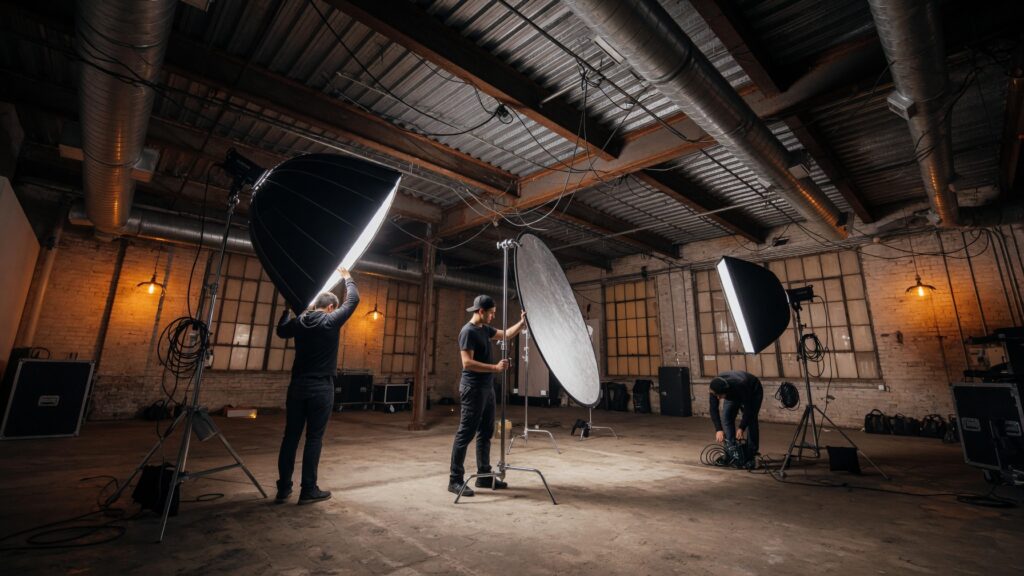
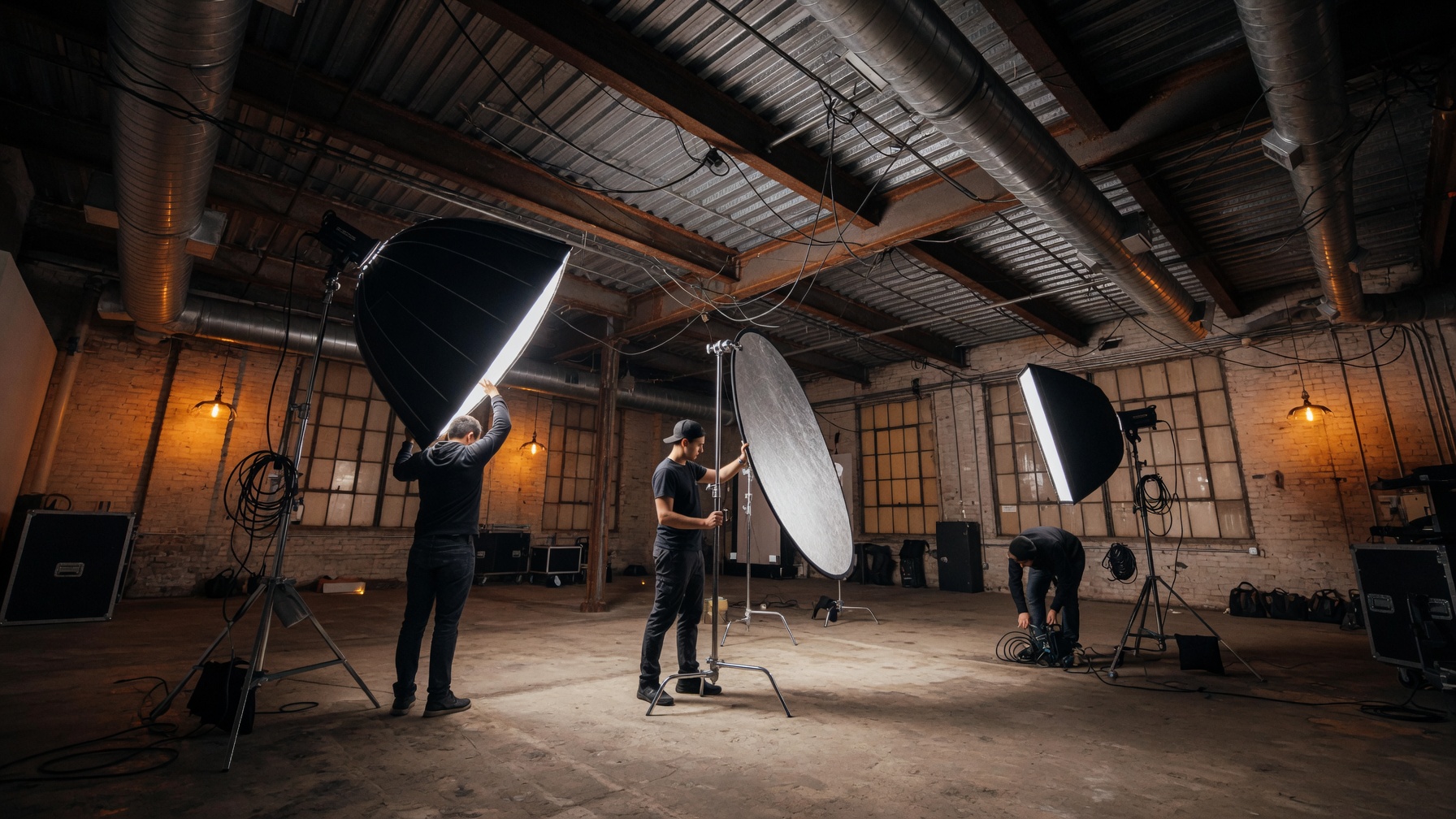
A professional photograph is the visible tip of a logistical iceberg. Before anyone presses a button, a production team has negotiated location access, briefed a crew, sourced wardrobe, hired hair and make-up artists, arranged insurance and – in many cases – secured permits. Clients who commission photography sometimes see only the final image file; what they are actually paying for is the infrastructure that made it possible.
Crew costs
The single largest variable is usually the photographer’s day rate, which in major markets such as New York, London and Tokyo typically sits between $1,500 and $3,500, rising above $8,000 for established names with strong editorial portfolios. But the photographer rarely works alone. A mid-range editorial or campaign shoot will involve:
- First assistant and digital technician – responsible for lighting set-up, tethered capture and on-set file management. A qualified digital tech in the US commands $750-$1,200 per day.
- Hair and make-up – a single artist handling both disciplines charges $300-$800 per day; on larger productions, these are separate roles, each at comparable rates.
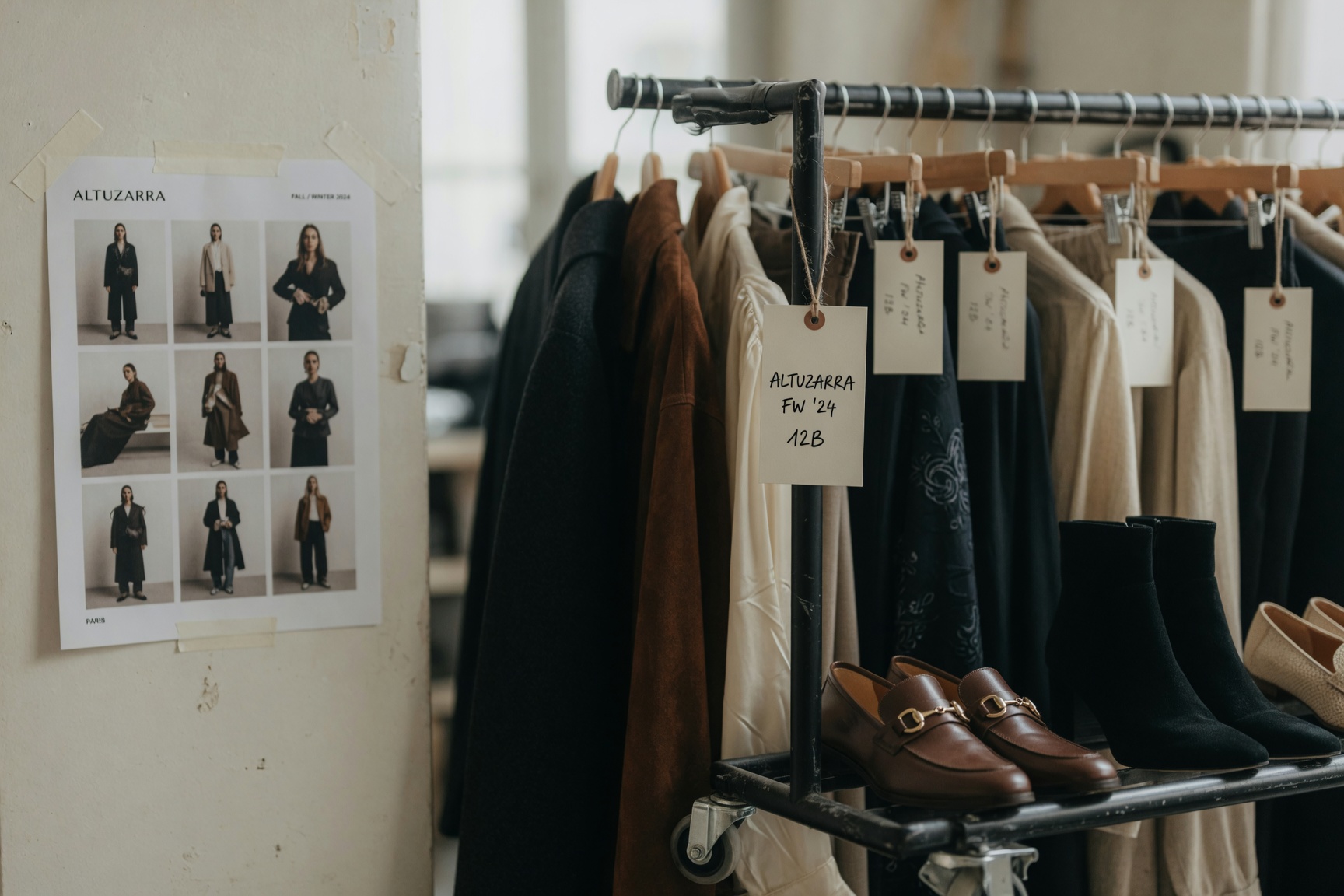
- Wardrobe stylist – discussed in detail below, but budget $600-$1,500 per day, plus an additional day rate for sourcing and returning garments.
- Producer or coordinator – the person who books the studio, manages the call sheet and keeps the day on schedule. Rates range from $500 to $1,500 depending on scope.
Even a modest shoot with four or five crew members can push labour costs alone past $5,000 before a single frame is captured.
Location and studio hire
A fully equipped fashion studio in a major city costs $300-$1,000 per day. Location shooting adds another layer: permit fees from local authorities can run from a few hundred dollars to several thousand, depending on the jurisdiction and complexity. Historic buildings, private estates and commercial venues often charge separate access fees, and most require proof of liability insurance – another line item that adds $300-$600 per production day for standard coverage.
The hidden multipliers
Industry surveys consistently find that the effective cost per finished image lands at two to three times the initially quoted rate once retouching, reshoots, coordination overhead and file delivery are factored in. A brand paying $200 per image at quotation stage may discover the true cost is closer to $500 once the entire production pipeline is accounted for. According to analyses cited by fashion e-commerce platforms, the average fashion brand allocates roughly 5-8% of annual revenue to visual content production – for a brand turning over $500,000 per year, that translates to $25,000-$40,000 spent exclusively on photography.
Post-production: the invisible craft
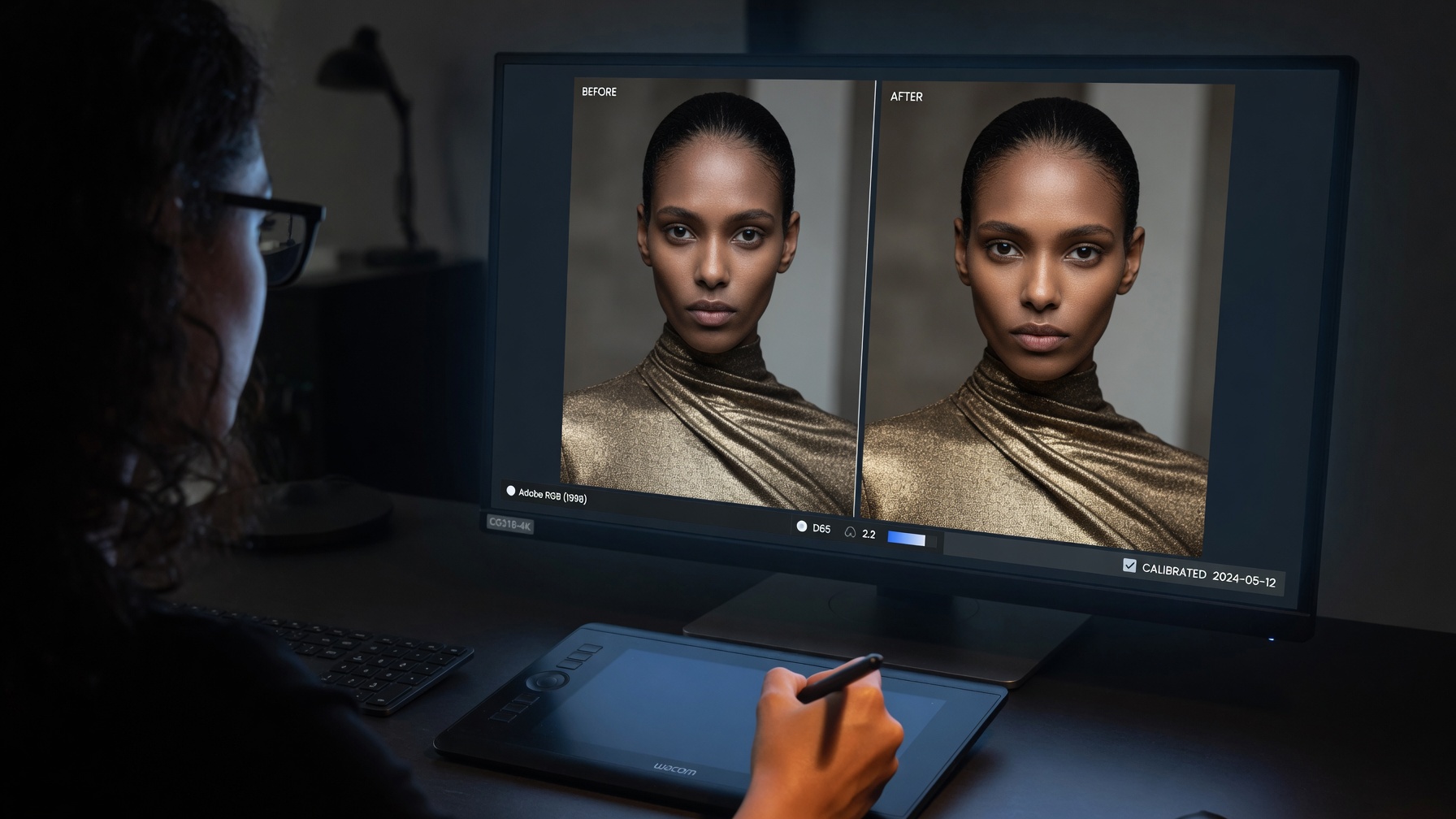
The capture is only the midpoint. Post-production – colour grading, retouching, compositing and file preparation – is where a raw capture becomes a publishable image, and it represents a cost centre that clients frequently underestimate.
Basic product retouching (clean background, colour correction, minor blemish removal) runs $25-$50 per image when outsourced. Fashion and editorial retouching – skin work, garment smoothing, environmental compositing – jumps to $50-$150 per image, with high-end beauty retouching for cosmetics campaigns commanding $150 or more per frame. Some retouchers working at the top of the commercial market charge hourly rates of $75-$150, and a complex composite can absorb eight to twelve hours of desk time.
For editorial portfolios and fine-art projects, the photographer often performs their own grading and retouching, folding the cost into their creative fee. This is worth noting because it means the “day rate” of a photographer who delivers finished files is not directly comparable to one who delivers raw captures – the labour is simply distributed differently.
Licensing and usage rights: what you are really buying
Here is the part that surprises many clients: when you commission photography, you are not usually buying the images. You are buying a licence to use them in specified ways, for a specified time, in specified territories. The photographer retains copyright unless an explicit work-for-hire or full-buyout agreement states otherwise.
The licensing framework
Two broad models dominate the industry:
Rights-managed (RM) licensing grants usage for a defined combination of media type, placement, territory and duration. A brand licensing an image for a UK print campaign running six months will pay a different fee than one licensing the same image for global digital use in perpetuity. RM pricing reflects the commercial value the image delivers to the licensee – a Times Square billboard commands a higher fee than a regional newsletter.
Royalty-free (RF) licensing offers broader, non-exclusive usage for a single upfront fee. The trade-off is that the same image may appear in competing contexts, diluting its exclusivity. RF dominates the stock-photography market but is rarely used for bespoke commissions where brand differentiation matters.
Exclusive licences – where no other party may use the image during the licence term – sit at the premium end. Full buyouts, transferring copyright entirely, command the highest fees and are most common in advertising, where agencies need unrestricted usage across all media and markets.
What drives the price
Licensing fees hinge on four variables: scope (how many channels and placements), duration (one year, three years, perpetual), territory (single country, continental, worldwide) and exclusivity (non-exclusive, category-exclusive, fully exclusive). An image licensed non-exclusively for a single social-media post in one market might fetch $200-$500. The same image licensed exclusively for a global multi-channel campaign could command $5,000-$25,000 or more.
Model and property releases add another dimension. An image featuring a recognisable person without a signed release is restricted to editorial use – news, commentary, education – which is typically cheaper to licence but limited in commercial application. Images with full releases unlock commercial licensing and correspondingly higher fees.
The latent value of a photograph
Most commercial transactions treat a photograph as a deliverable – produced, delivered, paid for. But the true cost of a photograph is not fully realised at the moment the shutter fires. Some images appreciate in value over years or decades, generating licensing revenue long after the original commission has been settled.
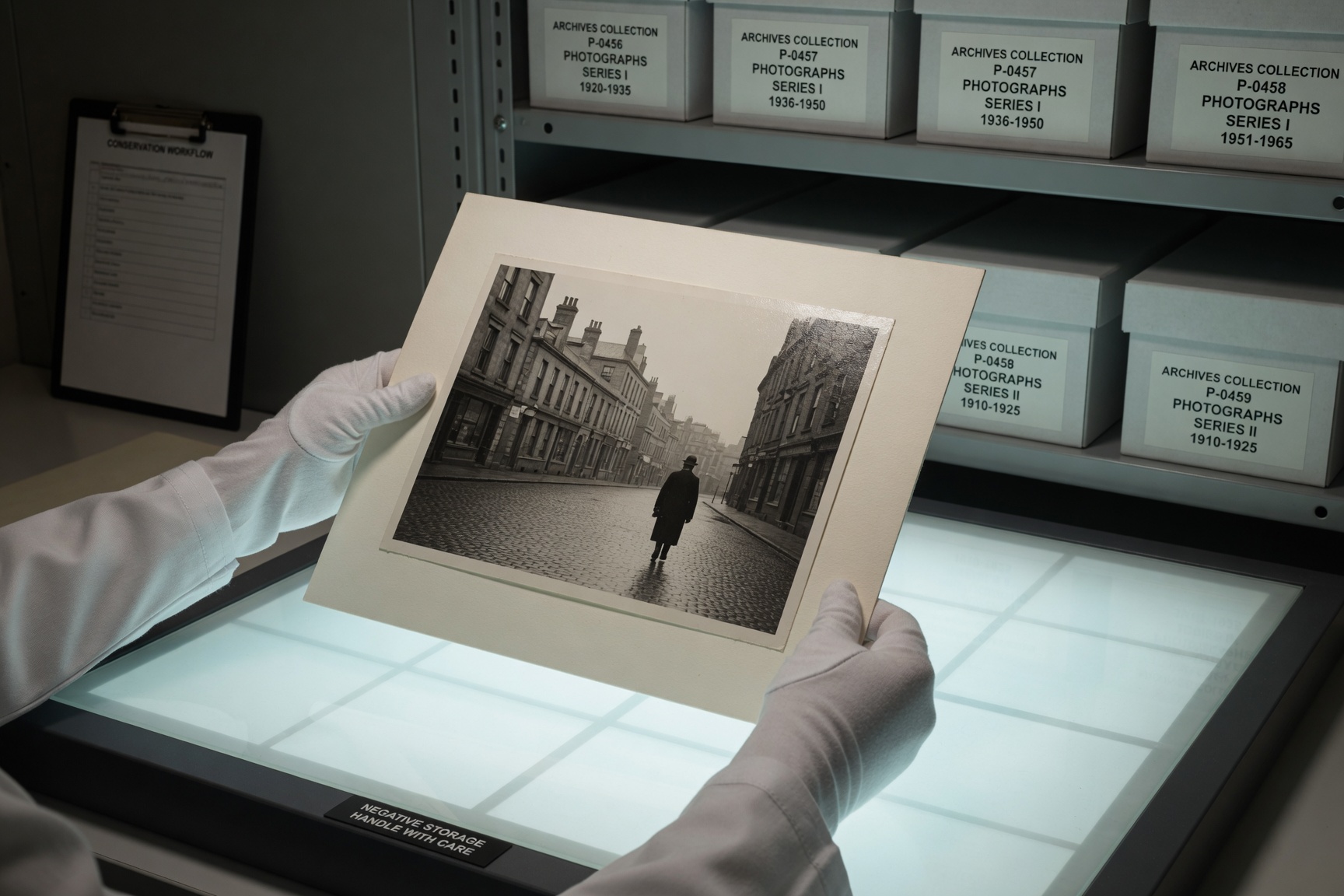
This concept – latent or archival value – is fundamental to the economics of image libraries and stock agencies. Getty Images built a business valued at billions on this principle, acquiring collections such as the Image Bank (30 million stills and 27,000 hours of film, purchased from Kodak for $183 million) and licensing individual frames repeatedly across decades. A single archival image of a well-known public figure can generate $15,000 or more per year in licensing revenue, according to industry reporting. The best-performing photographers in major agencies have historically earned upwards of $300,000 annually from residual licensing alone, with royalty splits typically ranging from 20% to 50% of the licence fee.
Why archives matter commercially
The economics are straightforward: the marginal cost of licensing an existing image is near zero (storage, metadata maintenance, a few hundred dollars per year for high-volume inventory), while the marginal revenue from each new licence is pure margin. A documentary photograph that was unremarkable in 1995 may become the definitive visual record of a demolished landmark, a cultural moment or a public figure’s early career – and its licensing value adjusts accordingly.
For photographers, this argues for disciplined archiving and metadata hygiene. Images that are properly keyworded, captioned and stored in accessible formats continue to generate income passively. Those that sit on unlabelled hard drives do not. The distinction between these two outcomes is administrative, not artistic – a practical point that is often lost in discussions about creative value.
Wardrobe and styling: a production economy in its own right
Of all the cost centres in a photographic production, wardrobe and styling is the one most likely to function as an independent micro-economy. A stylist does not simply pick clothes; they operate within a network of showroom relationships, brand partnerships, rental agreements and return logistics that has its own financial grammar.
The pull system
In editorial and high-fashion photography, garments are rarely purchased outright. Stylists “pull” pieces from designers’ press offices and showrooms, borrow them for the shoot, and return them afterwards – often within a 48-hour window. The stylist’s value, beyond aesthetic judgement, lies in their relationships: access to current-season pieces before they reach retail, the trust of press offices to handle samples worth tens of thousands of pounds, and the logistical competence to manage multiple pulls, alterations and returns across a single production week.
This system means that the garments visible in a high-end editorial spread may represent $50,000-$200,000 in retail value, but the production’s actual wardrobe spend is limited to the stylist’s fee, transportation, dry cleaning and any items damaged or lost (covered by production insurance, typically at a premium of 1-3% of the declared value).
Stage, screen and the costume department
In film, television and stage production, the wardrobe department operates at a different scale. Costume budgets range from under $5,000 on student and micro-budget films to $1 million or more on major studio productions, with period dramas and fantasy genres sitting at the upper end due to the need for custom fabrication. The department encompasses a costume designer (creative lead), wardrobe supervisor (logistics and continuity), set costumers, textile artists and seamstresses – a hierarchy that mirrors the broader production crew structure.
A practical wrinkle: “hero” costumes (those worn by principal cast in key scenes) often require multiples – identical garments in various states of wear, damage or cleanliness – for continuity across shooting days. A single hero costume might be built in three to five copies at $2,000-$10,000 each, depending on complexity.
The private-clothing micro-economy
In certain sectors of the entertainment industry, particularly in idol, performer and influencer culture, a distinct wardrobe micro-economy has emerged around private clothing and personal-style presentation. Here, the performer’s off-stage wardrobe – what they wear to fan events, in behind-the-scenes content, during casual public appearances – carries commercial weight that is separate from their stage costumes.
This creates a layered economy. The management agency may budget for stage costumes as a production expense, while the performer’s private wardrobe becomes a branding tool with its own financial logic: gifted items from fashion labels seeking exposure, affiliate or endorsement arrangements tied to what the performer is seen wearing, and in some cases, a secondary market where fans seek out the same items. The oshikatsu (fan-activity) economy in Japan, for instance, has become a mainstream driver of youth consumption, with spending on idol-related goods – including fashion items associated with a favourite performer’s personal style – running into billions of yen annually.
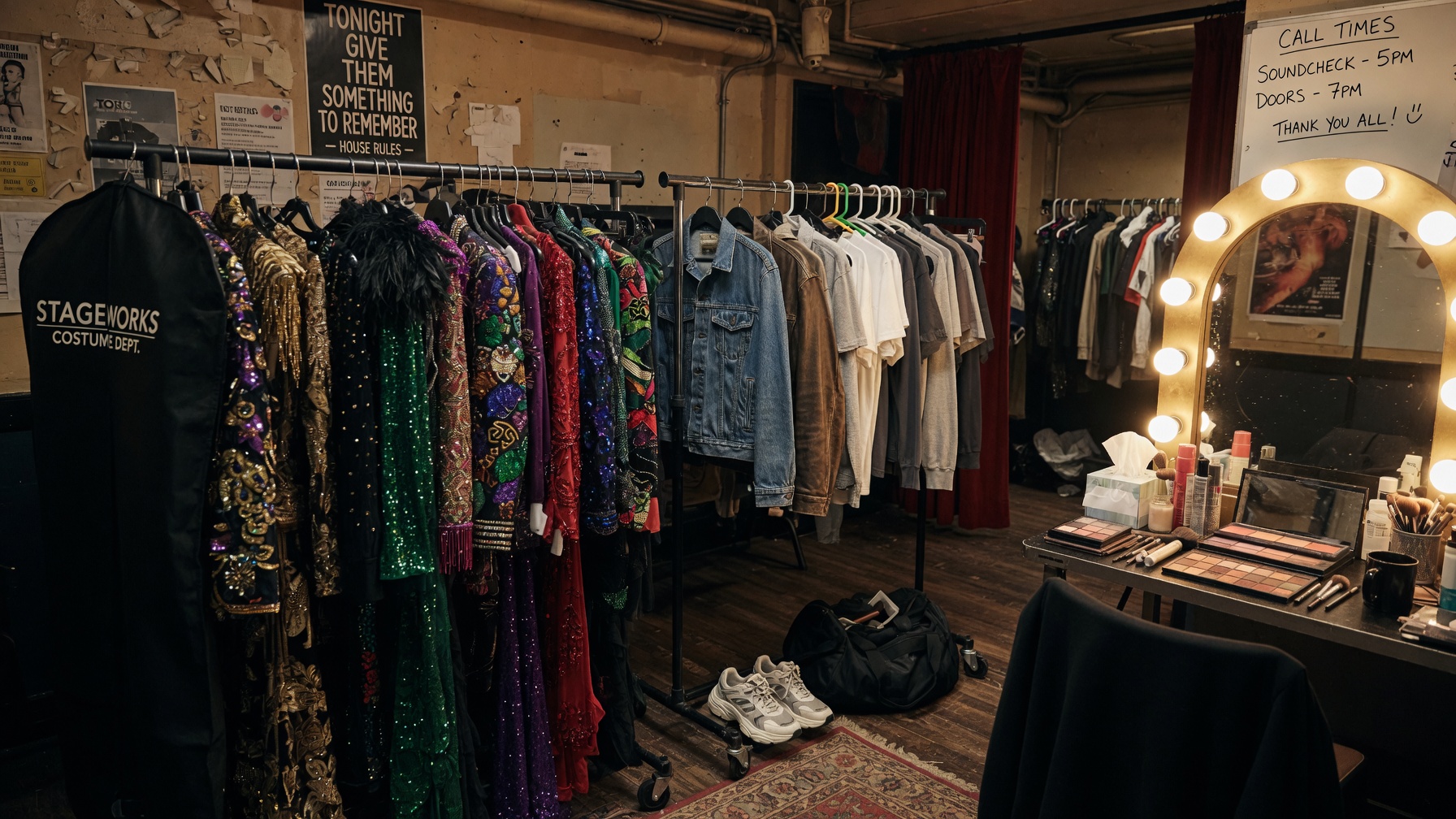
For photographers documenting these contexts, the wardrobe carries editorial and commercial significance that affects how the images are later licensed. A photograph of a performer in branded private clothing may have different licensing restrictions – and different commercial value – than one captured in generic stage costume, because the identifiable garments introduce brand-association considerations into the usage-rights equation.
Putting it together: what a photograph actually costs
The sticker price of a photograph – the number on the invoice – captures only a fraction of the economic activity it represents. A mid-range commercial shoot at $10,000-$15,000 per day may involve:
| Cost centre | Typical range |
|---|---|
| Photographer (day rate + usage) | $2,000 – $5,000 |
| Crew (assistant, digital tech, H&MU) | $1,500 – $3,500 |
| Stylist (day rate + prep day) | $1,200 – $3,000 |
| Studio or location | $500 – $2,000 |
| Post-production (per final image, 15-25 selects) | $750 – $3,000 |
| Insurance, permits, logistics | $300 – $1,500 |
These figures are estimates based on published industry rate surveys and should be read as indicative ranges rather than fixed prices. Actual costs vary significantly by market, project scope and individual negotiation.
Beyond the immediate production cost, the photograph enters a longer economic life through licensing, syndication and archival value – a life that may extend years or decades beyond the original shoot and whose total economic yield can far exceed the initial investment. The most commercially astute photographers and agencies understand this: the shoot is not the product. The image’s ongoing utility is.
Note on sources
The cost figures, rate ranges and industry data cited in this article are drawn from published rate guides, industry surveys and reporting by photography business platforms including Fstoppers, BlendNow, NightJar, PathEdits, and Pixsy (all), as well as historical financial reporting on Getty Images and Corbis via Forbes. Wardrobe and film-costume data references Saturation.io, PopOptiq and Blauw Films (all). Idol-economy and oshikatsu data draws on reporting by The Korea Times and Nippon.com (both). All figures should be treated as estimates reflecting published 2024-2026 data; individual project costs will vary by market, scope and negotiation. This article does not constitute financial or legal advice.